Extended Programs

Care that moves at the pace of meaningful change.

Some difficulties need more than an hour a week. Our day programs, short-stay programs and longer-stay aftercare give treatment the time and structure it actually requires, held by one clinical team and one care plan.

Why more time helps

An hour a week is not always enough room.

Standard outpatient care works well for many people. For others, the week between sessions undoes what the session began: the same pressures, the same patterns, the same lack of space to practise anything different.

Extended programs change that arithmetic. Instead of one appointment, you have consecutive hours and consecutive days in which assessment, therapy, daily practice and rest all point in the same direction. Progress can be observed rather than only reported, which means the plan can be adjusted while it matters.

Every program is delivered by the same clinical team who assessed you, in the quiet of the Byron Bay hinterland, at a pace set by clinical need rather than by a timetable.

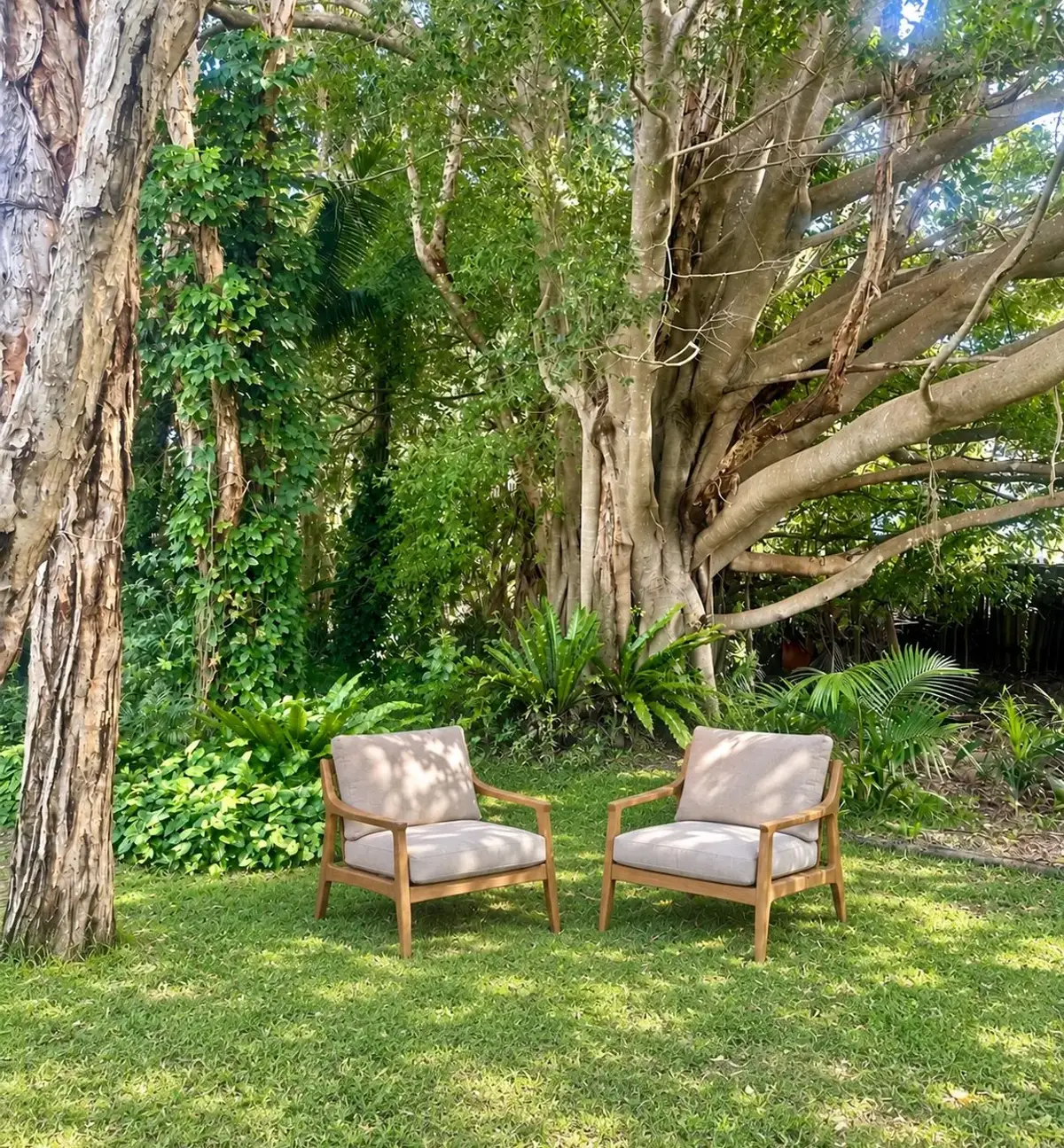
A quiet garden sanctuary at Karuna, Byron Bay, used for rest and reflection between therapeutic sessions
"Change does not happen in the session alone. It happens in the hours around it."
Programs cultivated with you

The same care, held over different lengths of time.

Day, short-stay and longer-stay aftercare are not three separate products. They are three lengths of the same clinical thread, and many people move between them as their needs change.

01

Day programs.

Structured therapeutic days at the clinic, with your own bed to return to each evening.

A day program gives you a full clinical day: individual therapy, group work where it is indicated, and body-based or contemplative practice, all sequenced deliberately rather than squeezed around other commitments. You arrive in the morning and go home in the evening.

Days can be attended singly, weekly, or in a block over consecutive days. Because you return home each night, the work stays connected to your real life: what you practise in the afternoon can be tested at your own kitchen table that evening, and brought back the following day.

This suits people who need substantially more clinical contact than weekly sessions allow, but whose home environment is stable enough to support the work between days.

Home each evening · single days or blocks · individual and group work · one care plan

02

Short-stay programs.

An immersive block of assessment and treatment, with the ordinary demands of life set down for a while.

A short stay is a concentrated period, typically several days at a time, in which comprehensive assessment and active treatment happen close together. Psychiatry, psychology and daily therapeutic practice run as one continuous piece of work rather than as separate appointments weeks apart.

Immersion does more than save time. When someone is not managing work, family and travel between sessions, clinicians can see the pattern more clearly and the person can meet it with more of themselves. Sleep, appetite, medication response and mood are observed daily, so decisions rest on evidence rather than recall.

Short stays often follow a period of stalled outpatient treatment, or precede a longer piece of work. They are also used where a careful reassessment of diagnosis or medication is needed and cannot be done well in fifty-minute pieces.

Several days to a fortnight · daily clinical review · immersive · screened intake

03

Longer-stay aftercare.

Extended support while change consolidates, because the months after treatment are when it is won or lost.

Relapse often happens not during treatment but in the weeks and months after it, when the structure falls away and old conditions reassert themselves. Longer-stay aftercare exists to hold that period: a week to a month of continued support, so change has something to lean on while it becomes ordinary. Families and partners can be included in aftercare where it helps.

Aftercare might mean a returning day each fortnight, periodic review with your psychiatrist, continued psychological work, a group you keep attending, and a plan for what to do if things slip. The intensity steps down gradually rather than stopping, and it can step back up if that is what the evidence says is needed.

For some people this is the most important part of the whole program. Insight is comparatively easy to arrive at, and comparatively hard to keep. Aftercare is where insight is turned into habit, and where habit becomes the way you live.

A week to a month · stepped down gradually · relapse planning · can step back up

Person centred program design

Every program begins with assessment.

There is no way to book a program directly, and that is deliberate. What kind of time you need, and how much of it, is a clinical judgement made with you. Not suitable for everyone. Some conditions, medications and life circumstances rule these pathways out, which we assess carefully.

01

Enquiry or referral

You can contact us yourself, or a GP, psychiatrist or psychologist can refer you. Either way, our intake team will be in touch.

02

Intake conversation

A short conversation with our intake team to map which services may suit you and confirm your funding. Nothing is decided at this stage.

03

Comprehensive assessment

Full psychiatric and psychological assessment, including physical health, medication history and risk. This is the foundation for everything that follows.

04

A program composed with you

We propose a shape and a length, explain the reasoning, and agree it with you. You will know what it involves and what it costs before it starts.

Program length, content and availability are determined by clinical assessment and vary between individuals. Extended programs complement, and do not replace, the treatment provided by your existing clinicians where that continues. Individual responses to treatment differ, and no particular outcome can be promised. Karuna does not provide acute inpatient or crisis care.

Next step

Wondering whether you need more time?

Speak with our team about what has been happening, for yourself or for someone you care for. We will be honest about whether an extended program is the right fit.